In today’s technology-driven world, businesses rely on data to guide decisions, improve operations, and create new opportunities. Every digital interaction, customer transaction, operational process, and market activity generates valuable information. However, the quality and usefulness of that information depend greatly on the systems managing it. “Smarter Systems, Better Data” represents the connection between intelligent technology and high-quality information—showing how advanced systems create more accurate, secure, and actionable data for long-term business success.
The Relationship Between Systems and Data
Data does not exist in isolation. It is collected, processed, stored, and analyzed through software platforms, db to data, cloud environments, and digital applications. The effectiveness of these systems directly impacts the quality of the data they produce.
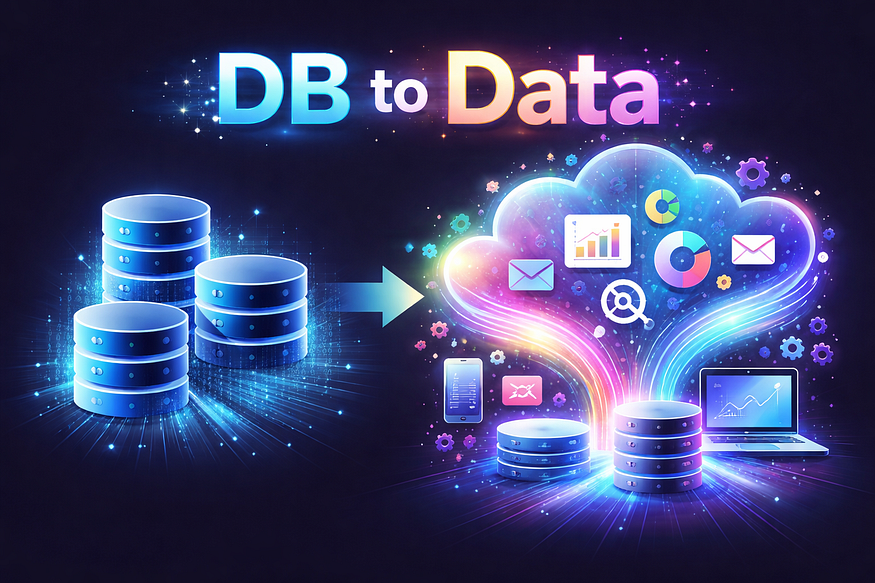
Outdated or disconnected systems often create duplicate records, missing information, inconsistent formats, and reporting delays. In contrast, smarter systems ensure that data remains accurate, organized, and accessible across the entire organization.
When systems improve, data improves.
What Makes a System Smarter?
A smarter system is designed to do more than basic data storage. It uses advanced technologies to automate processes, detect patterns, reduce errors, and support intelligent decision-making.
Features of smarter systems include:
- Real-time data processing
- Automated data collection
- Intelligent validation and error detection
- Cloud-based accessibility
- Integration across multiple platforms
- Predictive analytics capabilities
- Strong security and monitoring tools
These capabilities help businesses manage information more efficiently while maintaining high data quality.
Improving Data Accuracy
Accurate data is essential for effective business decisions. Smarter systems automatically validate incoming information, identify inconsistencies, and remove duplicate records before they affect operations.
Automated checks reduce human error and ensure that every department works with reliable information. Whether managing customer profiles, financial transactions, inventory records, or operational metrics, accurate data creates stronger business confidence.
Enhancing Operational Efficiency
Smart systems streamline workflows by automating repetitive tasks and reducing manual processes.
Data entry, reporting, customer updates, inventory tracking, and performance monitoring can all be handled more efficiently through automation. This saves time, reduces operational costs, and allows employees to focus on higher-value strategic activities.
Efficient systems create faster processes and better business outcomes.
Real-Time Access to Information
Modern businesses need instant visibility into operations. Smarter systems provide real-time dashboards, live analytics, and immediate reporting.
Leaders can monitor sales performance, customer engagement, financial activity, and operational efficiency as events happen. This real-time access supports faster decisions and stronger market responsiveness.
Supporting Better Customer Experiences
Customer satisfaction depends on accurate and timely information.
Smarter systems help businesses track customer preferences, purchase history, communication records, and support interactions in one connected environment.
With better data, organizations can deliver personalized services, faster responses, and more relevant customer experiences.
Security and Data Protection
As data becomes more valuable, security becomes more critical.
Smarter systems include advanced protection features such as encryption, multi-level access controls, automated backups, and continuous threat monitoring.
These security measures protect sensitive business and customer information while maintaining trust and compliance.
The Role of Advanced Technologies
Artificial intelligence, machine learning, cloud computing, and automation are driving the evolution of smarter systems.
AI can identify hidden patterns, machine learning improves predictions, cloud platforms support scalability, and automation ensures consistency across operations.
Together, these technologies transform traditional systems into intelligent data ecosystems.
Preparing for the Future
As businesses continue digital transformation, smarter systems will become essential for managing increasing volumes of information.
Organizations that invest in intelligent infrastructure today will gain stronger data quality, faster decision-making, better customer insights, and greater competitive advantages tomorrow.
Conclusion
“Smarter Systems, Better Data” reflects the reality that high-quality information begins with intelligent technology. By adopting advanced systems, automating processes, improving security, and ensuring real-time visibility, organizations can unlock the full value of their data. In the modern business landscape, smarter systems create better data—and better data creates better business results.
???? Contact Information
Phone: +8801918754550
Whatsapp:+ 8801918754550
Teligram: https://t.me/data2db
Email: [email protected]
Website: www.dbtodata.com